How “Chip the Alligator” is changing how we think about lead poisoning

About the Project

“My kid doesn’t eat paint chips.”

That was the resounding answer when we asked parents about their level of concern when it comes to lead poisoning.

Considering the unrelenting pressures of modern-day America, the threat of lead exposure wasn’t keeping anyone up at night.
But what public health experts at the Virginia Department of Health know is:

  • Lead is extremely dangerous, especially among younger children under 6. It can cause irreversible cognitive damage, behavioral problems and worse.
  • You can find sources of lead just about everywhere, but your risk for lead exposure is especially high if you live in a home built before 1978. It wasn’t until then that lead paint was banned due to its toxicity.
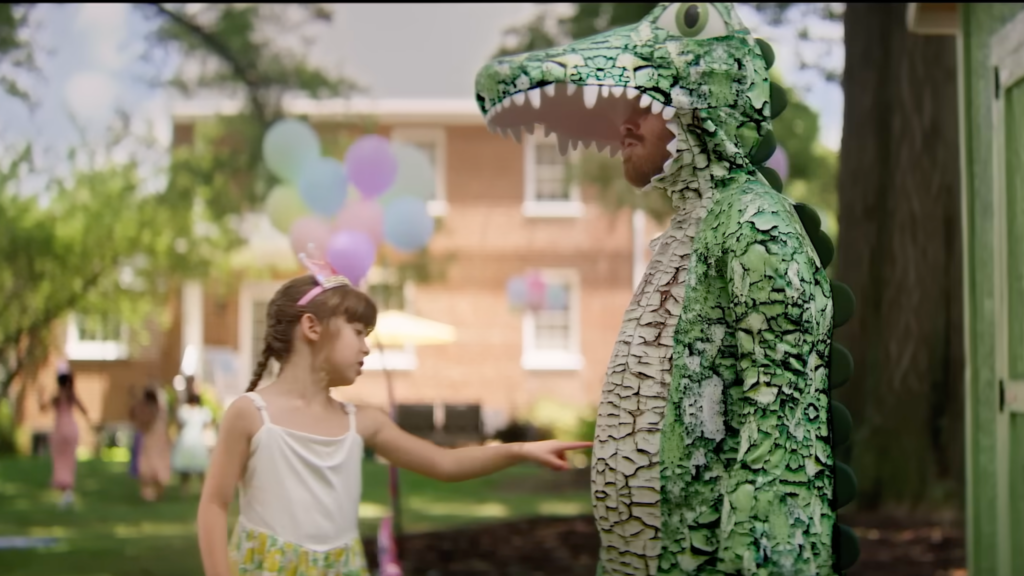
  • Lead is invisible and odorless. But there is a telltale sign. Cracked, flaky patterns, similar to alligator skin, are a clear indicator of lead presence in paint.
  • There are no visible symptoms. Screening for blood lead levels is the only way to detect lead poisoning, but it isn’t universal in Virginia; the doctor needs to recommend it.

In 2024, the Childhood Lead Poisoning Prevention program reached out to VANCE and our partner, Siddall Communications, to develop a communications strategy to increase public awareness of lead poisoning and, as a result, screenings.

Changing attitudes and behaviors

As every good plan does, we began with a little research. We conducted social listening on TikTok, Reddit, and Facebook groups, and also interviewed Virginia public health lead inspectors, epidemiologists, outreach and housing specialists to learn about the process for detection, diagnosis, and remediation -- and to get their take on barriers and opportunities to inform and support parents.

Insights from these discovery sessions revealed:

  • Invisible issue: People think lead is an issue from the past. They don’t realize that lead paint, while banned decades ago, can still be found in homes today.
  • Invisible risk: Parents don’t realize that lead exposure goes beyond paint chips. It’s found in drinking water that comes through lead pipes, dust, soil, and debris from various sources.
  • Show and tell works. Visual aids, like the 20 foot alligator sculpture public health experts in Roanoke used to show what lead paint looks like, were celebrated as effective tools.

Introducing "Chip the Alligator"

According to the Health Belief Model, people change their behavior only when they perceive a threat or a clear benefit to taking action. Getting more children screened for lead poisoning would require making the invisible visible -- and providing a clear call to action.

Insights from these discovery sessions revealed:
  • Invisible issue: People think lead is an issue from the past. They don’t realize that lead paint, while banned decades ago, can still be found in homes today.
  • Invisible risk: Parents don’t realize that lead exposure goes beyond paint chips. It’s found in drinking water that comes through lead pipes, dust, soil, and debris from various sources.
  • Show and tell works. Visual aids, like the 20 foot alligator sculpture public health experts in Roanoke used to show what lead paint looks like, were celebrated as effective tools.

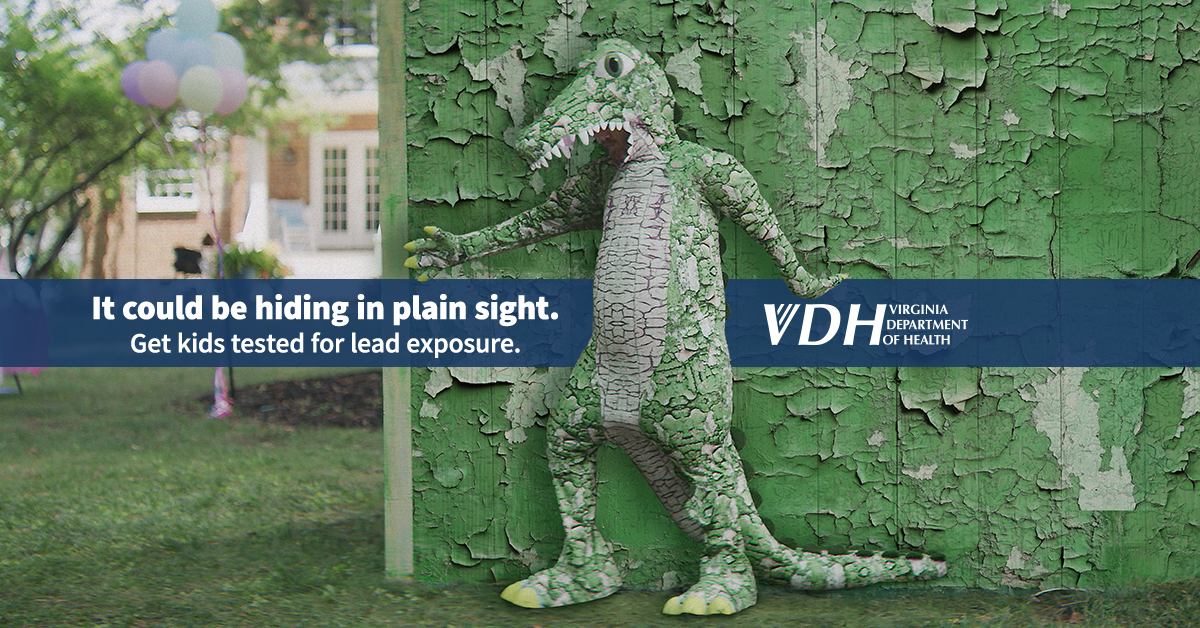
Instead of leading with alarming statistics and the threat of devastating consequences, we wanted to give parents something simple to look for. Leaning into the best practice of show and tell, we built upon Roanoke’s alligator example to produce “Chip” Virginia’s reptilian mascot for lead poisoning prevention.

In September 2025, VDH formally launched a new public education campaign introducing “Chip” as a visual example to help families spot lead paint at home (and what to do if they find it).

Our Approach

We rolled out the campaign in two phases:

Phase 1: Internal stakeholders

Before Chip went public, we knew we needed to first introduce him to the frontline experts we had consulted in the first place. Along with the premiere of a PSA, we provided these internal stakeholders with the talking points and elevator scripts needed to properly introduce the concept to leadership and community partners and champion the message externally. 

Digital toolkits, stocked with a link to the PSA, video FAQs, branded fact sheets, social media shareables and an educational craft activity, gave local public health teams practical ways to introduce Chip as a teaching tool.

Phase 2: External launch

The public launch led with a statewide press release and a PSA distribution across all major media markets in Virginia. A targeted YouTube flight put Chip directly in front of Virginia parents during the launch window, and a news-ready package that included relevant b-roll and pre-taped guidance from credible subject matter experts from the Virginia Department of Health and the Virginia Department of Community and Housing Development made the story easy for local media to cover. The assets we produced not only supported a successful launch but also created tools, like self-contained interview tapings and draft story pitches, VDH could use to ensure the campaign’s sustainability beyond the project’s completion. 

Results

Chip showed up — and Virginians noticed.
  • The paid YouTube campaign generated more than 4 million impressions and nearly 7,000 clicks to VDH’s lead poisoning resources — more than double the 0.07% government/advocacy benchmark.
  • Earned media delivered six editorial placements across Virginia markets, reaching an estimated 417 million people with 2.41 million predicted lifetime views.
  • 12 local television outlets ran the PSA, keeping Chip in living rooms long after the paid campaign ended.

Most of all, Chip lives on. VDH’s alligator mascot is still out there every day, changing the way Virginians think about lead, one scaly sighting at a time.